


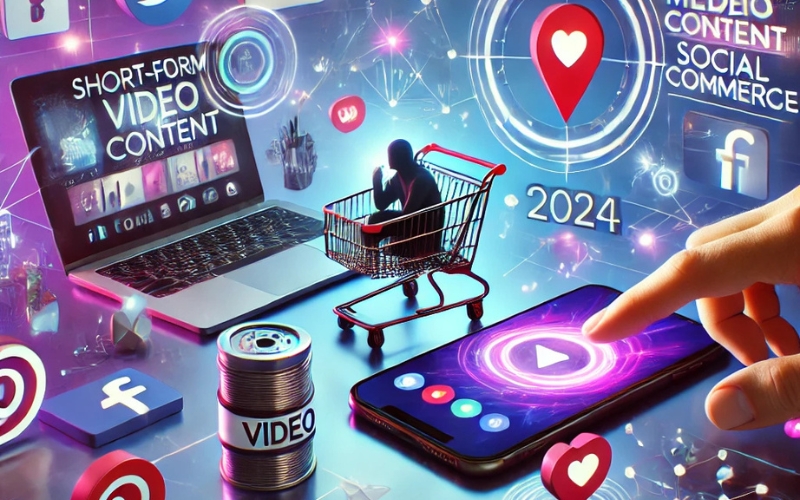
As we move further into 2024, Social Media Marketing Trends continue to evolve at a rapid pace, driven by changes in user behavior, technological advancements, and shifting business priorities. Three key Social Media Marketing Trends have emerged as particularly influential in reshaping how brands connect with their audiences: the rise of short-form video content, the integration of e-commerce features directly into social platforms (social commerce), and the evolution of influencer marketing. These trends are not only redefining content strategies but also offering businesses innovative ways to engage customers, boost sales, and strengthen brand loyalty. Understanding how to harness the power of these trends will be essential for businesses looking to stay competitive in the digital landscape.
The Rise of Short-Form Video Content Across Platforms

In 2024, Social Media Marketing Trends like short-form video content continue to dominate social media platforms, shaping how businesses interact with their audience. Platforms like TikTok, Instagram Reels, and YouTube Shorts have revolutionized the way users consume content, making it quick, engaging, and highly shareable. Short-form videos—ranging from 15 seconds to a minute—offer businesses an opportunity to reach their target audience more effectively and creatively than ever before.
Why Short-Form Video Dominates Social Media
The growth of short-form video content is driven by the evolving preferences of social media users and Social Media Marketing Trends. With increasing attention spans shortening and more content being consumed on mobile devices, short-form videos offer a solution for businesses to capture attention instantly. These videos are perfect for bite-sized storytelling, aligning perfectly with Social Media Marketing Trends focused on quick consumption. The format also encourages virality, as short videos are easier to share, leading to more organic reach.
Platforms like TikTok have pioneered this trend, a hallmark of Social Media Marketing Trends, with millions of users posting and engaging with videos in the span of a few seconds. Instagram Reels and YouTube Shorts quickly followed, understanding the need to cater to this shift in user behavior. The algorithm on these platforms rewards content that is engaging, making short-form videos a cornerstone of Social Media Marketing Trends and resulting in greater visibility for businesses that produce compelling short-form videos.
Businesses staying ahead of Social Media Marketing Trends understand the impact of adapting to these shifts, ensuring their content strategies remain relevant and effective.
How Businesses Can Leverage Short-Form Videos
For businesses, short-form videos are a major part of Social Media Marketing Trends, providing a chance to boost engagement and brand visibility in a crowded digital space. These videos are perfect for showcasing products, behind-the-scenes content, promotions, and even customer testimonials. The short duration forces businesses to get creative, delivering their message in a way that resonates with viewers without overwhelming them. As Social Media Marketing Trends continue to evolve, short-form videos stand out as a powerful tool for communication.
Businesses can also use short-form videos to humanize their brand. Whether it’s showcasing the team, sharing quick tips, or telling a mini story, these videos create a more personal connection with the audience. The ease of creating these videos aligns perfectly with Social Media Marketing Trends, allowing businesses to post more frequently, increase engagement, and strengthen brand recall.
Best Practices for Creating Impactful Short-Form Videos in 2024
To succeed with short-form videos in 2024, businesses must follow a few key best practices:
- Hook the Viewer Early: The first few seconds are crucial. Use an attention-grabbing hook to stop viewers from scrolling past. This approach aligns with emerging Social Media Marketing Trends.
- Focus on Quality: While the videos are short, the content must be high-quality. Ensure good lighting, clear audio, and appealing visuals that resonate with modern Social Media Marketing Trends.
- Stay Authentic: Authenticity is key to building trust. Audiences prefer relatable and genuine content over overly polished promotional videos, a key insight from current Social Media Marketing Trends.
- Call-to-Action: Don’t forget to include a strong call-to-action, whether it’s visiting a website, following the page, or participating in a challenge.
- Consistency is Key: Post regularly to keep your audience engaged and maintain visibility in their feeds, another recommendation based on Social Media Marketing Trends.
By embracing short-form video content as part of Social Media Marketing Trends, businesses can tap into a highly engaged audience, increase brand awareness, and stay ahead in the fast-paced digital landscape of 2024.
Social Commerce: The Integration of Shopping on Social Platforms

In 2024, social media platforms like Instagram, Facebook, and Pinterest have evolved beyond their roots as social interaction hubs to become powerful shopping destinations. This shift, known as social commerce, allows businesses to integrate e-commerce features directly into social media platforms, enabling users to discover, browse, and purchase products without leaving the app. As shopping behavior continues to change, businesses are increasingly leveraging social commerce to drive sales, increase brand visibility, and improve customer experiences.
How Social Media Platforms Are Evolving into Shopping Destinations
Social Media Marketing Trends show how platforms are blending content and commerce seamlessly. Instagram, for instance, has introduced features like Instagram Shops, where users can browse products directly on the platform and check out without leaving the app. Facebook has similarly integrated shop features on business pages, allowing for seamless transactions. Pinterest, originally known for inspiration and discovery, now includes “Buyable Pins,” enabling users to purchase products as they come across them in their feeds.
These Social Media Marketing Trends highlight the platforms’ focus on creating a streamlined shopping experience that mimics the traditional retail journey, but with the convenience of social media. Users can engage with content, interact with brands, and immediately make a purchase, reducing friction and increasing the likelihood of conversion. As the barriers between social engagement and online shopping continue to diminish, the concept of “social shopping” becomes a natural extension of a user’s social media experience.
Benefits of Integrating E-commerce Features into Social Media Marketing
The integration of e-commerce features into social media aligns with emerging Social Media Marketing Trends and offers numerous advantages for businesses. First, it allows businesses to reach potential customers directly where they are already spending their time—on social media. This increases the chances of discovering new products, leading to higher engagement and conversions.
Second, Social Media Marketing Trends emphasize how social commerce enables businesses to create a more personalized shopping experience. By analyzing users’ behaviors and preferences, social platforms can suggest relevant products, leading to a more tailored shopping journey. This helps businesses better target their audience, improving conversion rates and customer satisfaction.
Finally, as Social Media Marketing Trends evolve, the ability to feature user-generated content, such as reviews and influencer endorsements, enhances the credibility of the brand and builds trust among potential buyers.
How Businesses Can Take Advantage of Social Commerce
To take full advantage of social commerce, businesses should ensure their products are easy to discover on social platforms. Setting up a shop on platforms like Instagram and Facebook is essential, as is regularly posting engaging, shoppable content, such as product demos, lifestyle images, and limited-time offers.
Incorporating influencer partnerships can also amplify reach. Influencers can promote products in a way that feels natural to their audience, increasing the likelihood of conversion.
Furthermore, businesses should monitor their social commerce metrics to understand customer behavior and optimize their strategies. By tracking which products are generating the most interest and sales, brands can refine their approach and adjust inventory to meet demand.
Social commerce is reshaping the way businesses approach online sales, and by utilizing these features, businesses can enhance their marketing efforts, boost sales, and engage with customers in new and impactful ways.
Influencer Marketing Evolution: From Mega to Micro-Influencers

In 2024, influencer marketing continues to evolve, with a significant shift from traditional mega-celebrities to micro and nano influencers. This transition is driven by the desire for more authentic, relatable, and targeted marketing strategies. Businesses are now recognizing the power of smaller influencers who have niche, highly engaged audiences. This shift has created a new landscape for brands to build meaningful connections with their customers.
The Shift from Celebrity Influencers to Niche, Micro, and Nano Influencers
Historically, influencer marketing was dominated by mega-influencers—celebrities or those with millions of followers. While they have wide reach, their engagement rates often lag behind smaller influencers. In contrast, micro and nano influencers, who typically have fewer followers (ranging from 1,000 to 100,000), tend to have more personalized relationships with their audience. These influencers are seen as more relatable, and their content resonates with followers on a deeper level.
The shift toward micro and nano influencers is due to the increasing demand for authenticity in marketing. Consumers are becoming more skeptical of traditional advertising and celebrity endorsements. They prefer recommendations from individuals they perceive as genuine and trustworthy. Micro and nano influencers offer this authenticity, making them highly effective in driving engagement and building trust with their followers.
How Businesses Can Collaborate with Micro-Influencers to Boost Authenticity and Engagement
For businesses, partnering with micro-influencers can result in higher engagement rates, improved brand perception, and increased conversions. Micro-influencers are more likely to engage with their followers, and their recommendations carry significant weight in purchasing decisions. Here’s how businesses can collaborate with them effectively:
- Choose the Right Influencers: Look for influencers whose values align with your brand. Their audience should closely match your target demographic, ensuring the collaboration feels organic and relevant.
- Leverage Long-Term Relationships: Building long-term partnerships with micro-influencers rather than one-off campaigns creates a sense of consistency and trust. This can foster stronger loyalty among their followers toward your brand.
- Focus on Value-Driven Content: Micro-influencers excel at creating content that feels authentic and informative. Allow them to craft messages that align with their style and voice, while still showcasing your product or service.
Trends in Influencer Marketing and How to Measure ROI Effectively in 2024
Influencer marketing continues to evolve, with several key trends emerging in 2024:
- Video Content Dominance: Short-form video content, especially on platforms like TikTok and Instagram Reels, has become the preferred format. Brands should incorporate video campaigns with influencers to drive higher engagement.
- Affiliate Marketing and Shoppable Posts: Influencers are now incorporating affiliate links and shoppable posts into their content, allowing for easy purchase directly through their posts. This trend is driving more measurable sales and conversions.
- Micro-Influencer Networks: Brands are now partnering with networks of micro-influencers to scale their campaigns without losing the personalized touch. These networks allow brands to reach diverse audiences in a cost-effective manner.
To measure ROI effectively, businesses should focus on metrics beyond just likes and followers. Engagement rate, click-through rate (CTR), conversion rate, and sales attributed to influencer partnerships are critical. Tracking these metrics will give businesses a clearer understanding of the effectiveness of their influencer marketing campaigns.
In 2024, micro-influencers continue to be a valuable asset for brands seeking authenticity, engagement, and measurable results. By strategically collaborating with these influencers, businesses can build stronger connections with their audiences and drive better outcomes from their influencer marketing efforts.
Conclusion
In 2024, businesses have a unique opportunity to adapt to the latest social media marketing trends that are shaping the digital world. The growing dominance of short-form video content allows brands to capture attention quickly and engage with audiences in creative ways. Social commerce is making it easier than ever for businesses to drive sales directly from social media platforms, creating seamless shopping experiences for consumers. Meanwhile, the shift to micro-influencers presents brands with the chance to build more authentic, relatable connections with their audience. By embracing these trends, businesses can enhance their marketing efforts, increase customer engagement, and stay ahead of the competition in an ever-evolving digital environment.
