

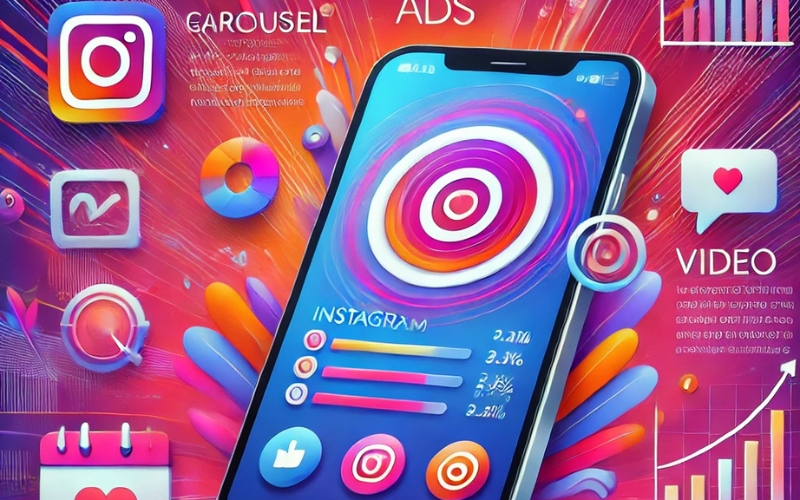
Instagram Ads have become one of the most effective tools for businesses aiming to increase brand visibility, engagement, and conversions. With over a billion active monthly users, Instagram offers businesses an unparalleled opportunity to connect with a highly engaged audience. However, creating and managing successful Instagram ad campaigns requires more than just a visually appealing post. It involves understanding the platform’s ad formats, setting clear campaign objectives, optimizing content for maximum engagement, and using data-driven insights to refine strategies. In this article, we’ll explore how to effectively leverage Instagram Ads to grow your business, from understanding the basics to setting up and optimizing your campaigns for the best results.
Understanding the Basics of Instagram Ads and Their Benefits

Instagram Ads have become a cornerstone of digital marketing, enabling businesses to reach their target audiences in an engaging and visually appealing way. With over a billion active monthly users, Instagram offers a unique opportunity for businesses to connect with potential customers across the globe. Whether you’re a small startup or an established brand, leveraging Instagram Ads can significantly boost your visibility, engagement, and sales.
Ad Formats on Instagram
Instagram provides a variety of ad formats, each designed to suit different marketing objectives and creative needs. The main ad formats include:
- Feed Ads: These Instagram Ads appear in users’ main feed and can be in the form of photos, carousels (multiple images or videos), or videos. Feed ads seamlessly blend with organic content, making them less intrusive and more engaging.
- Stories Ads: Stories have become one of the most popular features on Instagram, with over 500 million users watching stories daily. Ads in Stories are full-screen and immersive, offering a unique opportunity to capture users’ attention. These Instagram Ads can include images, videos, or interactive elements such as polls and links.
- Reels Ads: With the rise of short-form video content, Reels Ads allow businesses to create captivating, 15 to 30-second videos that appear in users’ Reels feed. This format is particularly useful for brands targeting younger, trend-focused audiences through Instagram Ads.
- Explore Ads: Explore is another key area where Instagram users spend a significant amount of time discovering new content. Ads in the Explore feed allow businesses to reach users who are actively exploring content relevant to their interests. These Instagram Ads are an excellent way to attract new customers.
Why Instagram Is a Powerful Platform for Businesses
Instagram’s user base and engagement levels make it an ideal platform for businesses. The app has over a billion monthly active users, and it consistently ranks as one of the most engaged social media platforms. More than 80% of Instagram users follow at least one business, and 60% of users discover new products through the platform. This makes Instagram Ads an ideal tool for both brand awareness and direct conversions.
Advantages of Instagram Ads for Business Growth
One of the key benefits of Instagram Ads is their ability to target specific audiences with precision. Instagram offers advanced targeting options based on user demographics, interests, behaviors, and location. This means businesses can serve highly relevant ads to people most likely to engage with their brand.
Additionally, Instagram’s visual nature allows businesses to showcase their products or services in creative and compelling ways, increasing the chances of capturing users’ attention. High-quality images, videos, and interactive features like polls or shoppable posts can significantly enhance engagement.
The platform’s user base, engagement rates, and targeting capabilities make Instagram Ads a powerful tool for growing businesses, building brand recognition, and driving conversions. Whether you’re aiming for awareness, engagement, or direct sales, Instagram Ads offer the flexibility to meet diverse business goals.
Setting Up Effective Instagram Ad Campaigns
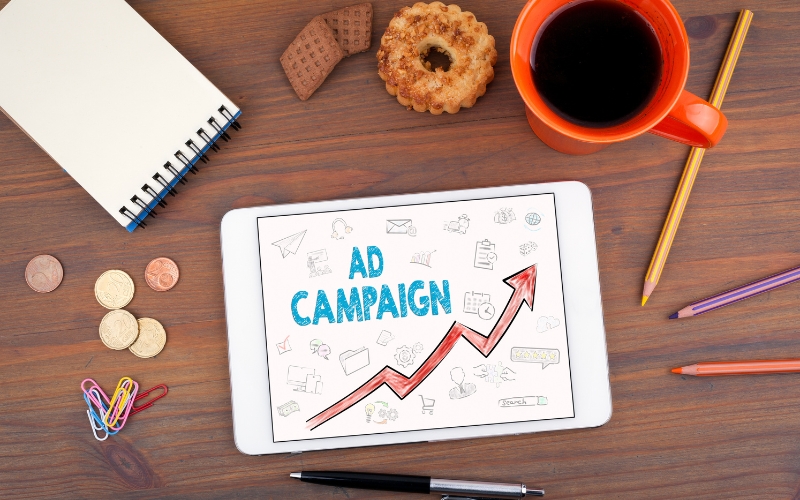
Running a successful Instagram ad campaign requires more than just creating visually appealing content; it involves a strategic approach that aligns with your business goals. Here’s a step-by-step guide to help you set up an effective Instagram ad campaign using Facebook Ads Manager and optimize it for success.
Step 1: Creating Your First Instagram Ad Using Facebook Ads Manager
To get started, you need to access Facebook Ads Manager, which is the tool used to create and manage Instagram ads. Follow these steps:
- Set Up Your Account: If you haven’t already, link your Instagram account to your Facebook business page. You’ll need this connection to run ads on Instagram through Facebook Ads Manager.
- Create a New Campaign: Click on the “Create” button in Ads Manager to start a new campaign. Choose the campaign objective that best aligns with your business goals (more on that next).
- Choose Ad Format: Select the ad format that best suits your campaign. Instagram offers several options, including single image ads, carousel ads, and video ads, depending on how you want to present your content.
- Set Up Targeting: Define your audience using detailed targeting options (demographics, location, interests, and behaviors). This ensures your ads reach the right people.
- Finalize and Publish: Once you’ve set your budget and selected your targeting options, you can preview your ad and publish it.
Step 2: Choosing the Right Campaign Objectives
Instagram offers several campaign objectives, each designed to meet different business goals. Choosing the right objective is crucial for the success of your campaign:
- Awareness: If your goal is to introduce your brand to a larger audience, select the “Brand Awareness” or “Reach” objective. These are ideal for businesses looking to increase visibility.
- Consideration: If you want users to engage with your brand or website, opt for the “Traffic,” “Engagement,” or “Video Views” objectives. These are perfect for increasing interactions with your content.
- Conversion: If your goal is to drive direct sales or actions (such as sign-ups or purchases), the “Conversions” objective is the best option. You can track actions on your website or app, and optimize the campaign to encourage users to complete a specific action.
Step 3: Defining and Targeting Your Ideal Audience
Effective targeting is key to reaching the right people on Instagram. Facebook Ads Manager allows you to define your audience based on:
- Demographics: Age, gender, relationship status, education level, etc.
- Location: Target people in specific cities, regions, or countries (ideal for local businesses).
- Interests and Behaviors: Reach users based on their hobbies, activities, or purchase behaviors. For example, a clothing store could target fashion-conscious users.
- Custom Audiences: You can also upload a list of existing customers or retarget people who’ve visited your website or engaged with your social media pages.
Step 4: Budgeting and Bidding Strategies
Setting a budget and choosing a bidding strategy are essential for maximizing your ad’s performance while controlling costs. Instagram ads operate on a bidding system where you choose either a daily or lifetime budget.
- Daily Budget: This is the average amount you’re willing to spend per day. It allows you to maintain consistent ad exposure.
- Lifetime Budget: This is the total amount you want to spend over the course of the campaign. You can set the start and end dates to control the timeline.
For bidding, you can either go for Automatic Bidding, where Facebook sets the bid based on your goal, or Manual Bidding, where you control the maximum amount you’re willing to pay per action.
By monitoring your ad’s performance and adjusting the budget or bidding strategy, you can ensure that you’re getting the best results for your investment.
By following these steps, you can create and optimize Instagram ad campaigns that drive meaningful results for your business. Tailoring your objectives, targeting, and budgeting ensures that your campaigns are effective, cost-efficient, and aligned with your overall business goals.
Optimizing Instagram Ads for Maximum ROI
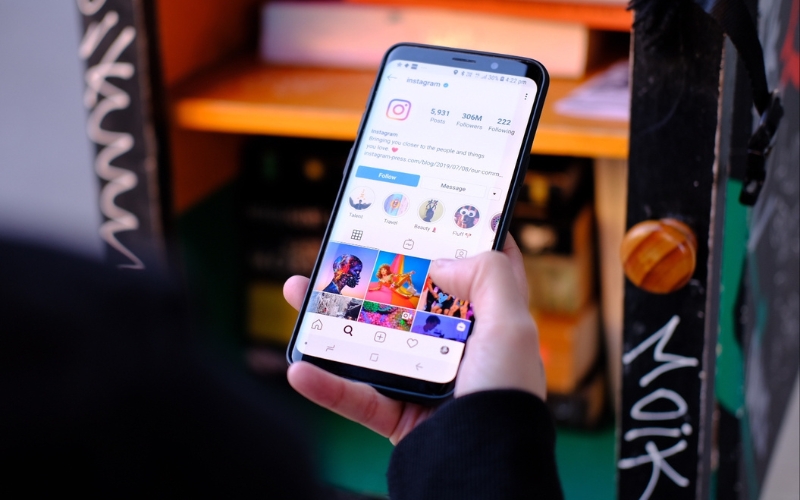
To achieve the best results with Instagram Ads, it’s essential to focus on optimizing every aspect of your campaign. From creating compelling visuals and copy to analyzing key performance metrics, each element plays a critical role in driving maximum ROI. Here’s how you can refine your Instagram ad campaigns for optimal performance.
Creating Compelling Ad Visuals and Copy
The first step in maximizing the effectiveness of your Instagram Ads is to create content that resonates with your target audience. Since Instagram is a highly visual platform, your ad visuals should be eye-catching, relevant, and on-brand. Here are some best practices:
- High-Quality Imagery: Use clear, high-resolution images or videos that showcase your product or service in an engaging way. Whether you’re using a product photo or a lifestyle image, ensure that it fits seamlessly with the overall aesthetic of your brand.
- Clear and Concise Copy: Keep your ad copy short and to the point. Focus on the benefits of your product or service and include a strong call-to-action (CTA). A clear CTA encourages users to take action, whether it’s “Shop Now,” “Learn More,” or “Sign Up.”
- Use of Colors and Branding: Stick to your brand’s colors and fonts to ensure consistency. This helps build brand recognition and makes your ads look professional.
- Storytelling: People engage more with content that tells a story. Whether through images or video, try to create ads that evoke emotions, tell a story, or show how your product solves a problem.
A/B Testing for Refined Strategies
A/B testing, also known as split testing, involves creating two variations of the same ad and testing them against each other to see which one performs better. This allows you to identify the most effective strategies for your ads, such as:
- Ad Visuals: Test different images or videos to see which one resonates best with your audience.
- Copy and CTA: Experiment with different headlines, ad copy, or calls-to-action to find out which one drives the most engagement.
- Targeting Options: Run tests with different audience segments to determine the most responsive groups.
Regular A/B testing helps you refine your Instagram ads over time, ensuring that you’re continually optimizing your ad campaigns.
Analyzing Key Metrics
To gauge the success of your Instagram Ads, it’s crucial to monitor and analyze key performance metrics. Here are some of the most important metrics to track:
- Click-Through Rate (CTR): This measures the percentage of people who click on your ad after seeing it. A high CTR indicates that your ad is engaging and relevant to your target audience.
- Cost Per Click (CPC): CPC tells you how much you’re paying for each click on your ad. Keeping CPC low while maintaining a high CTR is key to maximizing ROI.
- Conversion Rate: This measures the percentage of users who complete the desired action (purchase, sign-up, etc.) after clicking on your ad. A high conversion rate indicates that your ad and landing page are aligned and effective.
By continually monitoring these metrics, you can make adjustments to optimize your campaign and improve its performance.
Retargeting Strategies
Retargeting is one of the most effective strategies to increase conversions and maximize ROI. It involves showing ads to users who have previously interacted with your brand but have not yet converted. You can retarget customers who have:
- Visited your website: Use Facebook Pixel to track website visitors and show them Instagram Ads for the products they viewed.
- Engaged with your Instagram profile: Target users who have liked or commented on your previous posts or interacted with your stories.
- Abandoned their cart: Show ads to users who added items to their cart but didn’t complete the purchase, offering discounts or reminders to encourage them to return and finalize their purchase.
Retargeting helps remind potential customers about your brand, pushing them closer to conversion and improving ROI.
By focusing on creating compelling content, testing your ads regularly, tracking important metrics, and implementing retargeting strategies, you can optimize your Instagram Ads for maximum return on investment. This comprehensive approach will ensure that your campaigns are both effective and cost-efficient.
Conclusion
Instagram Ads provide businesses with a powerful tool to reach their target audience, increase engagement, and ultimately drive sales. By understanding the various ad formats, setting clear campaign objectives, and optimizing ads for maximum ROI, businesses can significantly enhance their marketing efforts. A well-executed Instagram ad strategy not only helps in connecting with potential customers but also boosts brand recognition and customer loyalty. As you implement these strategies, continuous testing, analysis, and optimization will ensure that your Instagram ads remain effective, cost-efficient, and aligned with your business goals, ultimately leading to sustained growth and success.
