

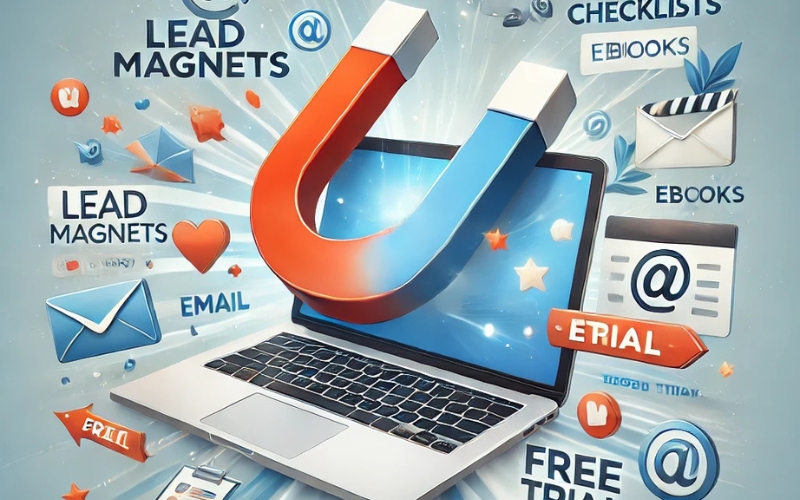
In the world of Email Marketing Campaigns, lead magnets are powerful tools designed to capture the attention of potential customers and convert them into valuable leads. By offering something of value in exchange for contact information, businesses can grow their email lists, nurture relationships, and eventually increase sales. However, creating lead magnets that truly convert requires a deep understanding of psychology, selecting the right type of lead magnet, and optimizing it for maximum results. In this guide, we will explore the psychology behind lead magnets, discuss various types that work for different audiences, and share strategies to optimize your lead magnet for higher conversion rates within Email Marketing Campaigns.
Understanding the Psychology Behind Lead Magnets and Their Role in Email Campaigns

Lead magnets are one of the most effective tools in Email Marketing Campaigns for capturing leads and building a solid subscriber list. Understanding why they work and how they align with customer psychology is crucial for creating lead magnets that convert. In this section, we’ll explore the psychology behind lead magnets, how they appeal to potential subscribers, and why offering value upfront is key to building trust and encouraging sign-ups in Email Marketing Campaigns.
Why Lead Magnets Are Effective Tools for Capturing Leads
The core of a lead magnet’s effectiveness lies in its ability to offer something of value in exchange for an email address. The principle behind this is simple: people are more likely to give something in exchange for something they perceive as valuable. This could be a free resource, a discount, or an exclusive offer that addresses a specific need or desire—especially within Email Marketing Campaigns.
The act of offering something of value upfront helps break down barriers. It makes the customer feel that they are receiving a fair trade, and it builds a sense of reciprocity. In Email Marketing Campaigns, this is often referred to as the “Law of Reciprocity,” which states that people feel obliged to return a favor when something is given to them first. When a lead magnet is well-designed, it taps into this psychological principle, making it easier for the audience to take action and opt into your list for more Email Marketing Campaigns.
How Lead Magnets Appeal to a Potential Subscriber’s Desires or Pain Points
One of the main reasons lead magnets are so effective is that they directly appeal to a potential subscriber’s desires or pain points. Every individual or business has challenges or goals, whether it’s finding a solution to a problem or gaining valuable knowledge. A well-crafted lead magnet speaks directly to these needs by offering a solution in exchange for their contact information, forming the basis for impactful Email Marketing Campaigns.
For example, a fitness business might offer a free eBook titled “5 Easy Workouts for Busy Professionals.” This lead magnet resonates with the potential subscriber’s desire for fitness but also addresses their pain point of limited time. Similarly, a financial planning service might provide a free checklist or guide to help people manage their personal finances, which is an excellent way to kickstart effective Email Marketing Campaigns.
By tailoring your lead magnets to align with these desires or pain points, you show potential subscribers that you understand their problems and can provide immediate value. This, in turn, strengthens their trust and interest in your Email Marketing Campaigns, making them more likely to engage further.
The Importance of Offering Value Upfront to Build Trust
Offering value upfront is essential for building trust with your audience, especially in Email Marketing Campaigns. When you provide a free, high-quality resource, you demonstrate your expertise and commitment to helping them solve their problems. This initial interaction fosters a sense of goodwill and trust, making it more likely that they will continue engaging with your emails, products, or services.
Moreover, offering value upfront sets the tone for your ongoing relationship with your subscriber. It shows that you’re not just looking to sell them something immediately; instead, you’re interested in offering real value. This trust-building is essential for nurturing long-term relationships and ensuring that your Email Marketing Campaigns continue to be effective.
In conclusion, the psychology behind lead magnets lies in their ability to offer value upfront, address specific pain points, and build trust with your audience. By understanding these psychological triggers, you can create lead magnets that not only capture email addresses but also foster genuine connections through successful Email Marketing Campaigns.
Types of Lead Magnets That Work: Choosing the Right One for Your Audience

In Email Marketing Campaigns, lead magnets are essential tools for attracting potential subscribers and converting them into loyal customers. However, not all lead magnets are created equal, and choosing the right type of lead magnet is crucial to ensuring its success. In this section, we will explore various types of lead magnets, how to select the one that aligns with your audience’s needs, and provide examples from different industries to illustrate what works best.
Overview of Popular Lead Magnet Types
Several types of lead magnets are commonly used across industries, each catering to different audience preferences and business goals. Here are some of the most popular options:
- eBooks and Guides: These are detailed resources that offer in-depth knowledge on a specific topic. eBooks or guides are often used in industries like education, health, and finance, where people seek comprehensive solutions or information. These are particularly effective when integrated into Email Marketing Campaigns to deliver valuable content.
- Checklists: A practical, easy-to-digest lead magnet, checklists help users quickly see a step-by-step process or tasks that need to be completed. They are perfect for audiences looking for actionable, no-fluff resources, making them ideal for Email Marketing Campaigns targeting time-sensitive solutions.
- Templates: Templates simplify complex tasks by providing users with pre-designed documents, forms, or layouts that they can personalize and use. For industries like marketing, design, and project management, templates are highly valued for saving time and streamlining workflows. Including templates in Email Marketing Campaigns can significantly enhance engagement.
- Free Trials or Demos: Offering a trial period for your product or service is one of the most effective lead magnets, particularly for SaaS businesses or service providers. Free trials allow users to experience the value of your product firsthand before making a financial commitment. Promoting these through Email Marketing Campaigns ensures maximum reach.
- Quizzes and Assessments: Interactive content like quizzes and assessments can engage users while collecting valuable data about them. These lead magnets are commonly used in industries like personal development, education, and fitness to provide customized recommendations or feedback. They also perform well in personalized Email Marketing Campaigns.
How to Select a Lead Magnet That Aligns with Your Audience’s Needs and Interests
The key to a successful lead magnet is choosing one that resonates with your audience’s specific needs and interests. Understanding your target audience’s challenges, pain points, and goals is the first step in selecting the right type of lead magnet. For example:
- If your audience is looking for quick, actionable advice, a checklist or template may be the best option. These are easy to consume and provide instant value while boosting the effectiveness of Email Marketing Campaigns.
- For audiences in search of deep, comprehensive information, an eBook or guide might be more effective, offering in-depth knowledge on a particular subject. Using eBooks in Email Marketing Campaigns ensures they reach the right audience.
- If your product or service can be experienced firsthand, a free trial or demo is an excellent lead magnet, especially for tech products or subscription-based services. These are best promoted via targeted Email Marketing Campaigns.
Understanding your audience’s preferences will help you create lead magnets that not only capture attention but also align with what they are actively seeking. Integrating these into Email Marketing Campaigns maximizes their impact.
Examples of Successful Lead Magnets Used in Different Industries
- Health & Fitness: A popular lead magnet in the health industry is a fitness challenge calendar or meal plan template. These provide actionable steps and a clear plan, enticing users to sign up for a chance to improve their health. Using these lead magnets in Email Marketing Campaigns ensures they are widely distributed.
- Education & Online Learning: In the education sector, offering a free course preview or a study guide has been highly successful. This gives potential students a taste of the full content, prompting them to enroll. Promoting them through Email Marketing Campaigns drives enrollment.
- E-commerce: E-commerce brands often use discount coupons or free shipping offers as lead magnets. These are particularly effective in converting first-time visitors into buyers when shared via Email Marketing Campaigns.
- SaaS & Technology: For SaaS businesses, offering free trials or demos is one of the most effective lead magnets. It allows users to experience the product’s value before committing financially. Email Marketing Campaigns can strategically deliver these offers to a targeted audience.
In conclusion, choosing the right lead magnet involves understanding your audience’s needs and aligning your offer with those needs. Whether it’s a free trial, a checklist, or an in-depth guide, the most successful lead magnets provide immediate, actionable value to potential subscribers. By selecting the right type of lead magnet for your audience and incorporating it into Email Marketing Campaigns, you can create a highly effective strategy that not only attracts leads but also converts them into loyal customers.
How to Optimize Your Lead Magnet for Maximum Conversion

Optimizing your lead magnet for maximum conversion is crucial for turning prospects into customers. Even the most valuable lead magnet can fall short if it’s not presented effectively or if the follow-up process isn’t well-structured. In this section, we will explore how to create a compelling landing page, design lead magnets that are easy to consume and implement, and the importance of follow-up emails in nurturing leads and driving conversions.
Tips for Creating a Compelling Landing Page that Drives Conversions
The landing page is the first point of contact for potential subscribers, and its design can significantly impact the success of your lead magnet. To create a landing page that drives conversions, it’s important to focus on a few key elements:
- Clear and Concise Headline: The headline should immediately communicate the value of your lead magnet. It needs to be attention-grabbing and directly address a pain point or need that your audience has. For example, “Download Your Free Marketing Plan Template to Boost Your Business in 2024.”
- Simple, User-Friendly Design: The design of your landing page should be clean, with easy-to-read fonts and minimal distractions. Avoid clutter and ensure that the call-to-action (CTA) button is prominently displayed. The goal is for visitors to quickly understand what they are getting and take action without confusion.
- Highlight the Benefits: Instead of just listing features, explain how your lead magnet will solve a problem or benefit the user. For example, “This checklist will help you plan your marketing strategy and save time on content creation” speaks to the value it provides.
- Social Proof and Testimonials: Adding customer testimonials, trust badges, or statistics that demonstrate the effectiveness of your lead magnet can help build credibility and trust. Social proof reassures visitors that others have benefited from your offer, encouraging them to take action.
- Simple Opt-In Form: Keep the form simple and ask for only essential information. The fewer fields visitors have to fill out, the more likely they are to convert. Typically, asking for just their name and email address is enough to get started.
Best Practices for Designing Lead Magnets that Are Easy to Consume and Implement
Your lead magnet must not only attract attention but also be valuable and easy for your audience to use. Here are some best practices for designing effective lead magnets:
- Be Clear and Concise: Your lead magnet should provide quick, actionable value. For instance, if you’re offering a checklist, it should be simple, easy to follow, and provide immediate benefits.
- Visually Appealing and Easy to Navigate: Use visuals such as images, charts, and icons to make the content more engaging and digestible. Keep the design clean, with a logical flow that guides the reader through the content.
- Offer Instant Gratification: Ensure that your lead magnet is easy to access immediately after the user opts in. Offering a downloadable PDF or instant access to an online tool makes it easier for users to take action right away.
The Role of Follow-Up Emails and Nurturing Sequences in Converting Leads into Customers
The work doesn’t stop once a lead magnet is downloaded. Follow-up emails are crucial for nurturing leads and guiding them through the customer journey. Here’s how you can optimize your email sequence:
- Immediate Follow-Up: Send a confirmation email immediately after someone opts in for your lead magnet. This not only reassures the user that they’ve successfully opted in but also provides a chance to reinforce the value of your offer.
- Nurture with Value: Send a series of value-driven emails that continue to engage the lead. These emails can include additional tips, case studies, or resources that build on the lead magnet and deepen the relationship.
- Introduce Your Offer: After a few nurturing emails, you can start introducing your paid products or services. Provide exclusive offers or discounts as a thank you for staying engaged. This is where you transition the lead from free content to a potential paying customer.
- Personalization: Tailor your email content based on user behavior. If a lead interacts with one of your emails or shows interest in a specific product, segment them into a relevant email sequence for more personalized nurturing.
In conclusion, optimizing your lead magnet for maximum conversion requires careful attention to your landing page design, ensuring the lead magnet is easy to consume, and using an effective follow-up email sequence to guide leads through the funnel. By implementing these strategies, you increase the chances of turning potential leads into loyal, paying customers.
Conclusion
Lead magnets are an essential component of any successful email marketing strategy. By understanding the psychology behind why they work, selecting the right type based on your audience’s needs, and optimizing the design and follow-up process, you can significantly increase your chances of converting leads into loyal customers. Whether you’re offering eBooks, free trials, or simple checklists, the key is to provide genuine value that resonates with your target audience. With the right lead magnet strategy, you can effectively nurture relationships, build trust, and ultimately drive business growth.
